Let’s Talk About “Made In the USA”

A lot of major retail stores — from Walmart to Home Depot to Lowe’s  — are promoting “Made in the USA” products in support of American workers. And it’s always great to see products made right here in our country by our fellow citizens.

But there’s a major question concerning just how some of these retail outlets are able to make this claim: Are some manufacturers actually making inferior products to make up for the higher labor costs in the U.S.?

*****

Until recently, many of the major “name brand” air filters have been manufactured in China or Mexico to cut labor costs. Now, in order to be included in major retailers’ “Made in the USA” promotions, some of these companies have started producing some of their filters in the United States.

For example, you may have noticed in your local “big box” store that the pleated box frame filters by a national brand are being replaced with flimsy, pinch frame filters and a much lower MPR/MERV rating. These “Basic” Air Cleaning filters, which help reduce dust and lint (but don’t eliminate/remove it), are now replacing the micro-particle/allergenic filters on the shelves.

To improve the air quality in your home or office, the minimum efficiency you should consider is a MERV 8/MPR 800. The MERV 8 filters should capture dust, dust mites, pet dander, smoke particles, and also some allergens (like mold spores and pollen).

Please Note: If someone in your household has allergies and/or asthma, we do not recommend fiberglass, poly, or even the new “Basic” air cleaning filters.

*****

At Nordic Pure, we believe this is an issue of honesty and quality. Our AC Furnace Air Filters have always been, and will always be, made in the USA. And we take great pride in the construction and quality of the materials we use to manufacture our top-quality air filters.

Smart consumers like you know the difference, and can appreciate the quality of our filters and our commitment to service.

Please visit our website at www.NordicPure.com to see our complete line of filtration products. We look forward to serving you!

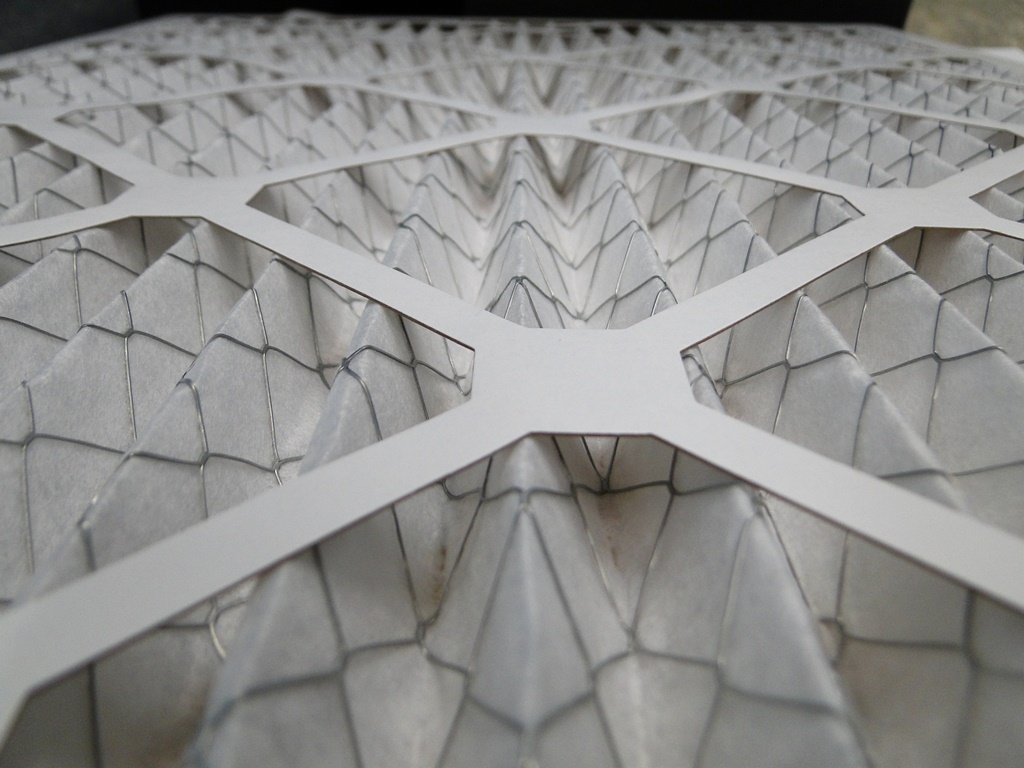
Nordic Pure Pleated Air Filters are manufactured using strong beverage board frames, not flimsy pinch frames.

Nordic Pure Pleated Air Filters are manufactured using strong beverage board frames, not flimsy pinch frames.


Competitors frame for the Basic filters is a flimsy pinch frame that is very easy to bend.

Competitors frame for the Basic filters is a flimsy pinch frame that is very easy to bend.


Nordic Pure manufactures using strong, high quality materials.

Nordic Pure manufactures using strong, high quality materials.


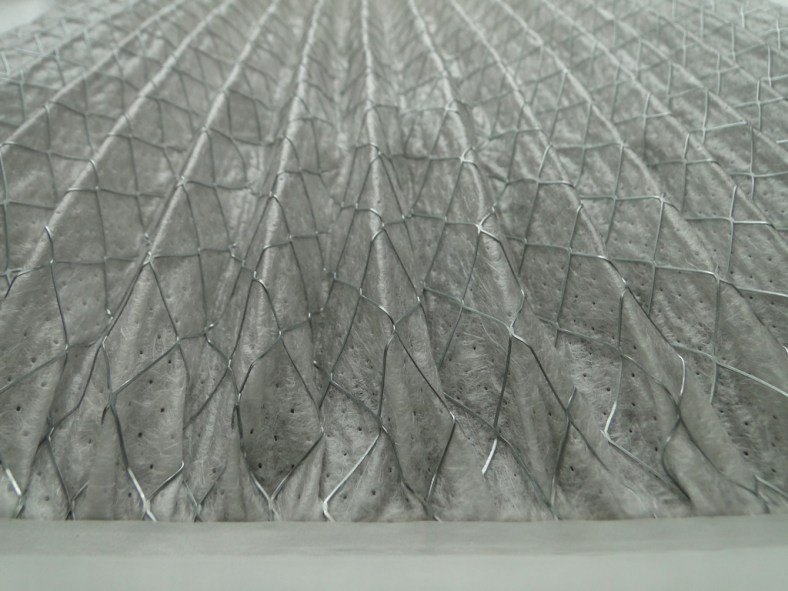
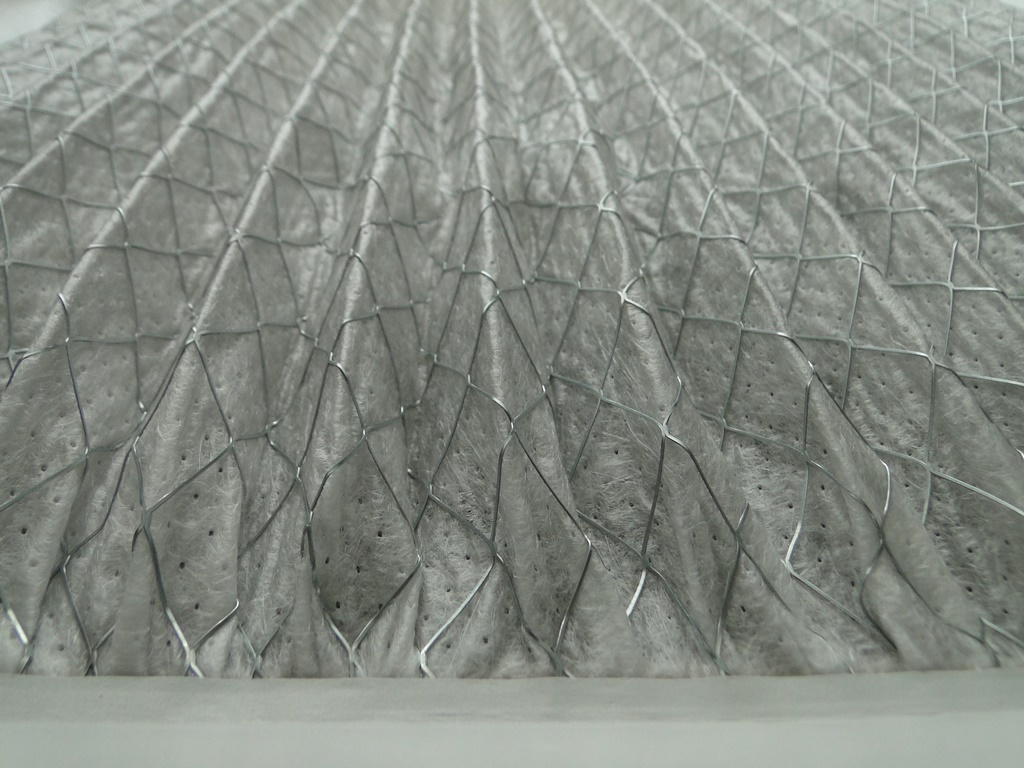
Competitors filters that are "Made in the USA" with media you can easily see through and flimsy pinch frames.

Competitors filters that are “Made in the USA” with media you can easily see through and flimsy pinch frames.

Austin Air Purifiers Trusted by FEMA and the Red Cross

Austin Air FEMA

It’s something we do all day, every day with very little thought: breathing. And, too often too little thought is given to the quality of what we are bringing into our bodies daily through our breath, through our lungs.  But, as concerns over indoor pollution grow, air purifiers are becoming more popular and Austin Air home air purifier units are one choice that should not be overlooked.

Austin Air is a manufacturer of air purifiers and their units were chosen by the U.S Government to help address the crucial air quality issues in New York during the aftermath of 9/11.  They fulfilled an order for air cleaners that was the single largest deployment of air purification units ever in U.S. history, and were chosen under the careful guidelines of FEMA and the Red Cross.  The home air purifiers that are made by them are said to have been designed from the inside out, with their engineers focusing first on the most important element of the air cleaner, the filter.  Austin Air units have a unique air intake system that is able to pull air in from all sides, or a full 360 degrees. This particular design allows for maximum intake efficiency and allows for more purified air to be delivered faster into the home environment.  Every minute that an air cleaner of theirs is operating, 250 cubic feet of air is able to be processed through a four-stage filtering system that step-by-step progressively removes the contaminants from the air.

The manufacturers claim that this high level of processing the air enables their air cleaners to: reach the highest possible levels of performance; achieve superior air flow levels; offer a longer filter life (estimated at 5-years with basic residential use); and extend the life expectancy of the Medical Grade HEPA used (the most important aspect of the filtration process). In order for any home air cleaner to be truly effective in a given space, it must be capable of removing sub-micron particles, chemicals and noxious gases. It must also be able to achieve this without creating unwanted by products, such as ozone.  Their cleaner units, regardless of the size of the unit, included true Medical Grade HEPA filtration material, and activated carbon, which are claimed by the manufacturer to be the only trusted air filtration system technology that is widely used in operating rooms and throughout hospital settings.  True HEPA is a standard for filtration that was devised by the Atomic Energy Commission with the intent of safeguarding the respiratory system in humans, and is the most effective media for filtering particulate that is available on the market. This is the grade of air purifier filter material used in their systems. True Medical Grade HEPA filters can remove 99.97% of airborne particulates as small as 0.3 microns, and can catch 95% of the particulates of 0.1 microns and smaller.

Austin Air also employs specially manufactured Activated Carbon in its air cleaners. Activated Carbon is very porous and this gives the carbon more surface area in which to absorb the impurities in the air such as noxious gases and cigarette smoke. The manufacturers also say that their room air cleaner units do not generate any type of by-products.

If you are having allergic reactions, especially when in your home, or have developed asthma or other respiratory conditions, then you should investigate the benefits of using an Austin Air room air purifier in your home.

Nordic Pure is proud to carry Austin Air purifiers. Click here for available units.

This article is written by Austin Air. The original article is located here.at http://austinair.com/2011/10/austin-air-purifiers-trusted-by-fema/


HOW INDOOR AIR POLLUTION AFFECTS US

How indoor air quality affects us
Many of us are correctly concerned about the pollution and contaminants in the outside air we are breathing. Where I live, for example, the community is concerned about the amount of emissions from the nearby factories and the growing amount of traffic on the roads. We are concerned about inversion during the spring and take steps to improve the quality of the air.

Indoor Air vs. Outdoor Air

However, one place that many of us overlook, when it comes to breathing clean air, is the air inside our own homes. While we should take steps to improving the air quality of our communities, we also need to focus on the air inside. Information from the EPA (Environmental Protection Agency) and other scientific sources tell use the air inside our homes, work places, and other buildings is often much more polluted than the air outside. This number ranges from two times more polluted to over a thousand times more polluted than the outside air. Consider the fact that most of us are spending the majority of our time (about 90%) indoors and this means that we are subjected to many more contaminants inside than those which are breathing while we are outside.

The Causes of Poor Indoor Air Quality

Just where does all of that indoor air pollution come from? There are two main causes of indoor air pollution: the contaminants themselves and the lack of proper ventilation.

Indoor Air Contaminants

There are quite a few natural and man-made air pollutants which lead to indoor air pollution. These include: Natural Contaminants

  • Moisture leading to mold and mildew
  • Pollen
  • Animal dander
  • Cockroaches, dust mites, and other pests
  • Bacteria, viruses, and other airborne pathogens

Man-made Contaminants

  • Building and furnishing materials
  • Household cleaning supplies
  • Central heating and cooling systems
  • heating materials used by furnaces
  • Pesticides

Lack of Proper Ventilation

Many of us work hard to prevent the flow of air between the inside of our homes and the outside of our homes. After all, the costs of heating and cooling the building are much less when we can keep out the chill of winter and the heat of the summer. As we work to improve the insulation of our homes, however, we do need to keep in mind the fact that the pollutants inside our home will continue to accumulate until our health can no longer withstand the levels of contaminated air. In the struggle to save money on our energy bills, we mustn’t lose sight of the healthcare costs that can be attributed to preventing fresh air from making its way through our homes, offices, and the other buildings where we spend so much of our days.

The Effects of Poor Air Quality

There are many different effects of poor air quality and these will be felt more or less depending upon each individual. In some cases, the introduction of fresh air throughout the building can remove the effects and in other situations entire buildings will need to be renovated in order to remove pollutants which are causing life-threatening symptoms.

What are some of the first symptoms you’ll feel when you have poor air quality in your home?

Everyone, whether they suffer from asthma and allergies or not, can feel the effects of air pollution over time. The most common symptoms include:

  • headaches, itchy irritation of the eyes, the nose, and the throat, unexplained fatigue, typical allergy symptoms, and dizziness

Unfortunately for many people, by the time the cause of these symptoms has been discovered, the physical effects of breathing in poor quality air may have developed into more serious conditions. These may include:

  • asthma, humidifier fever, pneumonitis, respiratory tract infections, deep coughs, and general susceptibility to other damaging health conditions

According to the North Carolina Department of Health and Human Services, other effects of poor indoor air quality include reduced attendance and productivity and decreased abilities to concentrate, calculate, and memorize information. The same document describes the deterioration of buildings as indoor pollutants take their toll. It also goes on to state that family, work, school, and other social relationships will feel a strain when the people involved are suffering from the effects of poor indoor air quality.

The Good News

With the realization that your home, the place where many of us feel safest, may actually be the cause of your discomfort or the development of health-threatening conditions, you may wonder what you can do to correct this situation. Fortunately, there are some simple steps which you can take; and in many cases, you can implement these steps at the work place as well. First, take steps to improve the ventilation of your home. Open the windows when the weather is nice. During the summer months, you might open the windows during the cool nights. Use fans to circulate this cooler air through your home, improving the ventilation of your home and reducing the costs associated with running the air conditioning through the night. Second, pay attention to your ventilation system. Make sure that any appliances are properly vented to the outside. Pay attention to where that vented air will flow once outside. (Vents near windows could exacerbate the problem.) Routinely clean vents and filters. Third, think about your use of cleaning chemicals. In some cases, you may be able to eliminate some of the air pollution in your home by switching from the use of chemical cleaners to warm water and a mild detergent. You may also consider only using certain cleaners on days when you can ventilate the home as you clean. Fourth, contact a professional in the field of air purification. These qualified men and women can work with you to install a heating and cooling system with a home dehumidifier (when needed) which will provide sufficient ventilation and which will also filter out pollutants. In some cases, the qualified professional may be willing to consult with you about other steps you can take to improve the air quality in your home. Fifth, choose plants which have air purifying effects. While plants can’t undo all of the effects of indoor air pollution, when they are used in conjunction with the above steps, air purifying plants, such as the Peace Lily, English Ivy, and the Gerber Daisy, can improve the air and provide other important benefits in your home.

Featured images:

Lauren Hill does her best to live a green life and takes air contaminates seriously.  You’ll find her writing on subjects from gardening to air quality all over the internet.  You can follow her on Google+ or at www.laurenqhill.com

What are MERV, MPR, FPR Ratings?

Nordic Pure MERV 12 AC Furnace Filtersmerv_14_optionmerv_15_option   MERV Rating is the Minimum Efficiency Reporting Value for air conditioner furnace filter media as determined by the American Society of Heating, Refrigerating, and Air Conditioning Engineers, ASHRAE. MERV is the primary international air conditioner furnace filter industry standard and is used for rating the ability of a furnace filter to capture and hold particles and pollutants. The measurement used in these ratings is a Micrometer, or micron.

  • A micron is one millionth of a meter (0.000001m) and is not visible to the human eye.
  • A piece of copy paper is about 100 microns.
  • A human hair averages 80 microns in size.
  • Pet dander is 2-4 microns and can linger in the air for hours before it settles on a surface!

NordicPure.com uses the MERV Rating system. NordicPure.com AC Furnace Air Filters are manufactured direct since 1960. We have all standard AC Furnace Air Filters and all custom sized AC Furnace Air Filters. In the average American home, the most common air filter is only a MERV 4. These are usually the furnace filters that you can see through and do not stop particles smaller than 10 microns. Most residential systems are well able to use the MERV 12.

  • MERV Rating is the established air filter industry rating system, but, some companies have developed their own rating systems, based on the ASHRAE MERV Rating.
  • MPR Rating, or Microparticle Performance Rating, was developed by a large manufacturer to grade their air filters based on the ability to filter air particles smaller than 1 micron. The microparticle performance rating is not considered to be the industry standard by the American Society of Heating, Refrigerating and Air Conditioning Engineers (ASHRAE). The published MPR Rating numbering system is a scale of 0 – 2700, with their highest published furnace filter equaling the Nordic Pure MERV 13.
  • FPR Rating, or air Filter Performance Rating, is a grading system that uses a color/number system on a scale of 4 (green circle) to 10 (blue circle). Some of their air conditioner filter descriptions refer to the MERV Rating and the MPR Rating, but don’t always agree.

It’s important to note that the MERV Rating is the “MINIMUM” initial efficiency rating. It’s the efficiency rating given to the air conditioner furnace filter when it is brand new and is expressed as a percentage of the total airborne particles of a certain size. As the new air conditioner furnace filter traps more debris, it becomes more efficient – trapping the smallest particles as time goes by. Eventually, every air filter will trap the tiniest particles less than 1 micron, until it becomes so dirty that air cannot get through. Air Filter Gages measure the building pressure behind the aging furnace filter and can let you know it’s time for a AC Furnace Air Filter. Our customers also benefit from our Free Reminder Service that will automatically notify you by email or phone that it’s time to check, change or replace your air conditioner furnace filters.

Nordic Pure manufacture direct since 1960. Multiple air filter media available: MERV 7, MERV 7 Plus Carbon, MERV 8, MERV 8 Plus Carbon, MERV 10, MERV 10 Plus Carbon, MERV 11, MERV 11 Plus Carbon, MERV 12, MERV 12 Plus Carbon, MERV 13, MERV 13 Plus Carbon, MERV 14, MERV 14 Plus Carbon, MERV 15, MERV 15 Plus Carbon and MERV 16.

Nordic Pure AC Furnace Air Filters are available in ½ inch air filters, 1 inch air filters, 2 inch air filters, 4 inch air filters, 5 inch air filters, and 6 inch air filters. Custom size air filters are also available. Please call us at 1-800-590-0339.

www.NordicPure.com

MERV, MPR, FPR, RATING
MERV Rating MPR Rating FPR Rating ASHRAE MINIMUM INITIAL EFFICIENCY Containment and Particles Uses
.30 to 1.0 Microns 1.0 to 3.0 Microns 3.0 – 10.0 Microns
MERV 19-20 (HEPA) N/A N/A 99.99-99.999% < 0.30 Micron
carbon dust
sea salt
all combustion smoke
Clean Room Manufacturing
Electronics Manufacturing
Pharmaceuticals
Carcinogenic Materials
Hospital Inpatient Care
Surgery
Superior Commercial Buildings
MERV 17-18 (HEPA) N/A N/A > 95%
MERV 16 (HEPA) N/A N/A > 95% > 95% > 95%
MERV 14-15 N/A N/A 75 – 95% > 90% > 90% .30 to 1.0 Microns
All Bacteria
Tobacco Smoke
Fireplace Smoke
Droplet w/Virus (sneeze)
Smog
MERV 13 Black 2200 10 Blue Rating < 75% > 90% > 90% Superior Residential Property
Superior Commercial Property
MERV 12 80 – 90% > 90%
Purple 1500  8-9 Purple Rating 1.0 to 3.0 Microns
Auto Emissions
Dust
Baking Flour
Pet Dander
MERV 11 Red 1000 7 Red Rating 65 – 79% > 85%
MERV 10 50 – 64% > 85% Residential
Commercial
Industrial Workspaces
MERV 8 Light Blue 600 5 Green Rating 70 – 85% 3.0 to 10.00
Mold Spores
Household Dust/Spray
Hair Spray
Dust Mite
Pollen
Sanding Dust
Textile / Carpet Fibers
MERV 7 50 – 69% Minimum filtration workspace
Window units
Fiberglass filters
polyester air filters
MERV 6 400 35 – 49%
MERV 0 – MERV 5 20 – 34%

NordicPure.com Manufactures most of the above MERV Ratings.

Nordic Pure Furnace Air Filters at Amazon Canada

Canada Customers shop for Nordic Pure furnace filters here!


Quick Fixes Make a Warm Home

keep your home warmHere in Texas, we’re lucky to have only a few weeks of truly cold weather every winter, but much of the country (and our Canadian customers) are still in the depths of winter. In the cold months everyone wants to be toasty in their home but no one wants to waste energy or money. Regardless of where you live, home insulation and furnace maintenance are essential to keeping costs down and the temperature up.

A well- insulated home is the best way to trap the heat indoors and keep the arctic outside. Here are a few inexpensive and quick fixes to keep the drafts out:
• Line your doors and windows with weather-stripping
• Caulk holes or cracks around doors, windows and floors
• Hang thermal/insulated panels or drapes over your windows
• Install foam gaskets under light/outlet plates
• Inspect the chimney damper

It is recommended that you have your furnace inspected every fall to make sure that everything is in working order. If you’re still noticing that your house is struggling to stay toasty try these efficiency-improving tips:
• Replace air filters to improve air flow
• Patch leaky ductwork and seal the joints between sections
• Install a programmable thermostat

Many power companies offer free or low-cost energy audits of your home. This is a great service to provide a baseline of where energy-efficiency improvements (especially for heating/cooling and insulation) can be made. With this information, you can develop an energy-improvement plan and enjoy a warmer home in future winters.

Fiberglass vs Pleated Air Filters

filterforwebsiteDo not fall into the trap of thinking that all furnace filters are the same. Do not run out and buy the cheapest filter that you can find, just to save a few cents. In the long run, purchasing a cheap fiberglass filter can cost you thousands of dollars over the long run. With Nordic Pure’s pleated furnace filters, you may be making a larger initial investment, however you will be able to save thousands of dollars in the long run. To understand how a high quality furnace filters can save you money, it is important to understand the effects of poor filtration.

The Drawbacks of Fiberglass Furnace Filters

  • Poor Air Quality

The EPA has indoor air pollution listed as a Top 5 threat to our environmental health. This is because aside from everyday dirt and dust, your home is also full of particulates like: bacteria, mold, pollen, allergens, dander, dust mites, and even fiberglass from your filter. This risk becomes even more prominent once you think about how much time you spend inside. Most people spend an average of 90% of every day inside. This has become a much more prominent issue because the air inside your house is normally 2 to 5 times more polluted than the air outside.

  • Monthly Maintenance Expenses Fiberglass furnace filters must be replaced often. It varies by households from every two weeks to every six to eight weeks. Even though they are a cheap initial investment, it becomes much more expensive than more durable pleated furnace filters over time.
  • Increasing Energy Costs Furnaces are designed to run with an optimal level of air flow. When a furnace is pushed beyond this range in either direction, it takes much more energy to produce the same results. Fiberglass furnace filters have a tendency to clog extremely fast when compared to a Nordic Pure pleated furnace filter. Fiberglass furnace filters have been reported to increase your monthly heating and cooling costs by as much as 30% when compare to pleated furnace filters.


  • Furnace Repair Expenses

Any time you need to repair or replace your furnace, it can become expensive very quickly. Additionally, while it is out of service, your house will likely become very uncomfortable. Fiberglass furnace filters are designed only to filter out the largest of debris. This allows small pieces of dirt and dust to pass directly into your furnace. Once dirt finds its way into your HVAC system, they will disrupt moving parts and even clog the hose connections. This means that you furnace must work much harder to achieve your desired results. The harder it is forced to work, the sooner it breaks down and needs to be repaired or replaced. This is especially true when your furnace is working hard over a long period of time, such as the cold winter months.

How to Save Money With Nordic Pure Furnace Filters

  • Better Air Quality Can Reduce Medical Expenses

Fiberglass furnace filters cannot filter out many particulates like many forms of mold and bacteria. This mold and bacteria will often attach itself to some of the warmer and damper parts inside of the furnace. This gives them the perfect place to grow. Since they are already past your filter, they can break off and pass through home at any time. This can increase your medical expenses, not only by directly making you and family ill, but it also is the perfect way to agitate someone with asthma.

Another advantage of using a Nordic Pure pleated furnace filters is they are sturdy filters. Fiberglass filters are incredibly fragile because of poor construction and the strength the fiberglass itself. The fiberglass will often break apart as it is bombarded by air. Tiny pieces of fiberglass then flow through the furnace and are dispersed across the house. This can not only aggravate asthma, but can create long term health problems.


  • Decreasing Overall Expenses

Nordic Pure furnace filters can decrease expenses in a number of ways including decreased maintenance/repair/replacement costs for both the furnace and the filter itself. Since a pleated furnace filter can filter out much smaller particulates, this diminishes the ability of dirt and dust to enter your HVAC system. This increases the lifespan of your furnace because it allows it to operate within its optimal range. This means less maintenance is needed, less repair expenses, and a much longer lifespan for the furnace itself.

It also decreases your monthly expenses on furnace filters themselves. Nordic Pure pleated furnace filters last much longer than their fiberglass counterparts which means you must replace them much less often.

Choosing Nordic Pure over traditional fiberglass furnace filters is smart choice. It will save you money in a number of ways as well as ensuring that the air you and your family breathe is as clean as possible.

What is Pollen Count?

Pollens causing you to sneeze?
Content provided by Healthwise
 
Pollen Count measures the amount of pollen allergens in the air. Pollen counts are stated as grains of pollen per cubic meter of air.


Weeds

  • 1 to 9 is a low pollen count.
  • 10 to 49 is a moderate pollen count.
  • 50 to 499 is a high pollen count.
  • 500 or higher is a very high pollen count.

Grasses

  • 1 to 4 is a low pollen count.
  • 5 to 19 is a moderate pollen count.
  • 20 to 199 is a high pollen count.
  • 200 or higher is a very high pollen count.

Trees

  • 1 to 14 is a low pollen count.
  • 15 to 89 is a moderate pollen count.
  • 90 to 1,499 is a high pollen count.
  • 1,500 or higher is a very high pollen count.

Molds

Mold produces spores that move, like pollen, in outdoor air during warmer months.

  • 1 to 6,499 is a low spore count.
  • 6,500 to 12,999 is a moderate spore count.
  • 13,000 to 49,999 is a high spore count.
  • 50,000 or higher is a very high spore count.

During the allergy season, local TV stations, newspapers, or medical centers may report pollen counts. If you have allergies, find out who reports pollen counts, so you can avoid pollen when the counts are high. You may also look up the National Allergy Bureau’s Web site for pollen count information at www.aaaai.org.

Indoor Air Test Kits

The Environmental Diagnostics Laboratory (EDLab) offers complete and comprehensive indoor environmental laboratory services. They include: microbiology, aerobiology, allergen assays and microscopy designed to meet all your indoor air needs. The EDL supports IEQ investigations by assisting with strategic sampling plan development and supplying media collection equipment while performing a wide range of environmental analyses. EDLab has analyzed over 100,000 samples since 1992.

All EDL microbiological reports are prepared with a glossary describing each organism at both the genus and species level. EDLab is accredited by the American Industrial Hygiene Association (AIHA) Environmental Microbiology Laboratory Accreditation Program (EMLAP # 102795) for bacteriology, mycology and microscopy.

See information below about the Mold and Allergen test kits that are analyzed by EDLab:

Mold Screen Check (MSC)

Mold test kit

Molds are part of natural environment, including air, surface and water. Mold may be allergenic, pathogenic and toxic in nature. Mold Screen kit is capable of collecting a number of different types of mold from various surfaces. A full scan of collect specimen by microscopic technique yields qualitative and quantitative information on prevailing fungal elements/molds. Mold Screen test kit is ideal for collecting mold from surfaces. The findings of MSC are reported in terms of counts/cm2 for each identified type of fungi/mold.

A comprehensive laboratory report is included.

* Identifies hundreds of types of Molds (cts/cm2)
* Quick and Easy Bio-Scan400 test
* Includes Sample Collection Device
* Complete Instructions with Chain of Custody
* Includes AIHA Accredited Lab Analysis for Fungi/Molds
* Free Mold Fact Sheet
* Professional Approach for Fungal/Mold Elements Collection

Allergen Screen Check (ASC)

Allergen

Allergen test

Screen is designed to collect precipitated biological or a-biological allergens. A full scan of Allergen Screen with microscopic techniques provides valuable information both qualitatively and quantitatively on the collected specimens.

Some commonly identified allergens from the indoor environment are pollen, mold, fibers, skin cells, insect fragments and several other inorganic and organic particulates. Allergen Screen kit is ideal for indoor environmental investigation, allergy sufferers, asthma patients, clean room evaluation, etc. The findings of ASC are reported in counts/cm2 for each identified allergen particles.

A comprehensive laboratory report is included.
* Identifies pollen, mold, fibers, insect biodetrites, skin cells, (cts/m2)
* Quick and Easy
* Includes Sample Collection Device
* Complete Instructions with Chain of Custody
* Includes AIHA Accredited Lab Analysis for Allergens
* FreeAllergen Fact Sheet
* Same Samples Used by Professionals

Go to http://www.NordicPure.com and click on Indoor Air Test Kits on the menu to see all the different Check Screens that are available.